Independent engineering · Free State, South Africa
Many branches.One pair of hands.
Software, field electronics and industrial machinery, designed, built and looked after by one engineer. Every lantern on this tree is real work. Hover or tap one to follow the sap to it.
Growing · 0%Hover a lantern · click anywhere to plant a seed
Business softwareFleet trackingGate controlLoRa field networksPLC ladder logicBagging & screening plantsWebsitesAndroid companionsHand-gesture controlMinecraft systemsResearchBusiness softwareFleet trackingGate controlLoRa field networksPLC ladder logicBagging & screening plantsWebsitesAndroid companionsHand-gesture controlMinecraft systemsResearch
Live on the branches
Don’t just read about it. Play with it.
Six products growing on the tree, each with a small working sketch of what it does. The sketches use made-up names and numbers; the products are real and running.
ᚠLiveBusiness software
TradeJot
Quote, schedule, invoice, follow up. The phone is the office.
A Telegram-and-web CRM for South African small businesses: shops, makers, services and trades. Message it the way you would message a client, or run the day from the web dashboard.
Clock in with a glance. Payroll without the paperwork.
Workers clock in by face or PIN; owners get live timesheets and a one-click payroll export. Only a numeric face template is stored, never the photo, and the PIN is always there with no penalty for opting out.
The phones already in your vehicles, turned into a fleet view.
See what is moving, what is parked, what has gone quiet and how far a trip still has to go. Tracking is visible on the phone, limited to declared working hours, and offline positions queue until signal returns.
Built on
Android · Node.js · SQLite · signed webhooks
For
Fleets · field service · deliveries · lone workers
A visitor opens a link. Your phone rings. You decide.
No wiring at the gate, no intercom handset, no app for the visitor. A printed code is the whole installation, and Telegram becomes the doorbell wherever you are. Video runs over a self-hosted relay so calls connect on real mobile networks.
Your hand is the mouse. Your webcam is all it needs.
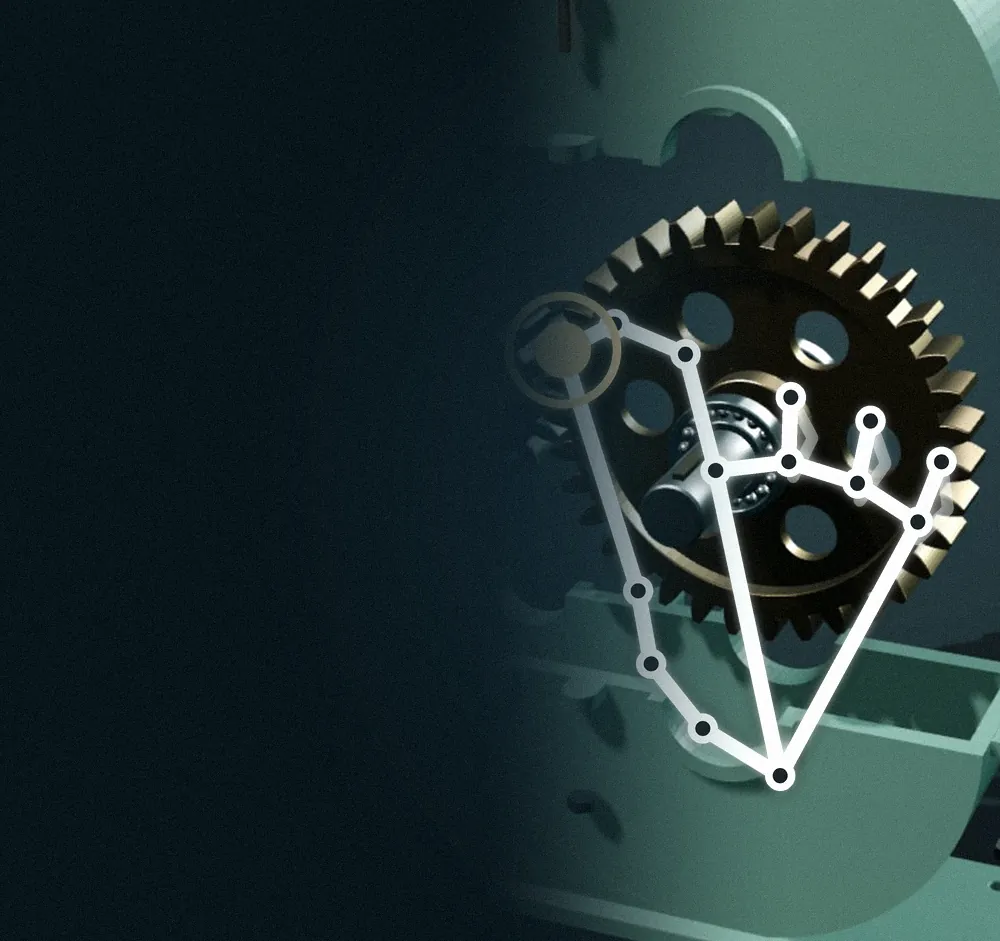
Point to move, pinch to click, make a V to scroll, and use both hands to rotate and zoom 3D models in SolidWorks, Fusion 360, Blender or Onshape (so far tested on recorded hand movements). Everything runs on the PC and camera images are never uploaded.
She talks with you, learns who you are and remembers what matters. She thinks with your own AI key, so you pay the AI company only for what you use. What she learns about faces, and your AI keys, stay encrypted on the phone.
Built on
Android · Kotlin · on-device face and speech models